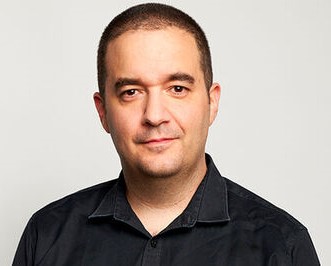
Maxim Senakh, 41, of Velikii Novgorod, Russia, pleaded guilty on Tuesday before a U.S. judge to charges related to an international scheme involving the Linux botnet known as Ebury.
Senakh has pleaded guilty to conspiracy to violate the Computer Fraud and Abuse Act (CFAA) and conspiracy to commit wire fraud. The man was indicted by U.S. authorities in January 2015 and he was arrested in Finland in August 2015. Finland extradited the suspect to the United States in January 2016. Sentencing is scheduled for August 3.
According to the Department of Justice, Senakh has admitted taking part in a criminal enterprise that made millions of dollars by infecting tens of thousands of servers with malware.
The cybercriminals used the Linux malware Ebury to power a botnet that helped them make money through click-fraud and email spam operations. Senakh said he registered the domains used for the botnet’s command and control (C&C) infrastructure. He admitted profiting from the traffic generated by the Ebury botnet.
The Ebury malware was first spotted in 2011. ESET, Germany’s CERT‑Bund, the Swedish National Infrastructure for Computing, the European Organization for Nuclear Research (CERN) and other organizations published an analysis of the Ebury malware in February 2014.
The malware, tracked by ESET as Linux/Ebury, was described by the security firm as a sophisticated OpenSSH backdoor and credential stealer.
CERT-Bund reported spotting thousands of infected systems across more than 60 countries, including in the United States, Germany, France, Italy, U.K., Netherlands, Russia, Ukraine, Mexico and Canada.
Since Ebury had rootkit capabilities, experts advised users at the time to reinstall the operating system on compromised machines instead of attempting to clean the infection.
Earlier this month, another Russian national, Mark Vartanyan, aka “Kolypto,” pleaded guilty in a U.S. court to charges related to the development and distribution of the Citadel Trojan.
Related: Russian Pleads Guilty in Major Hacking Case
Related: JPMorgan Hackers Plead Guilty
Related: Russian Arrested by Czech Police Tied to 2012 LinkedIn Hack