
Connect with us

Hi, what are you looking for?

SecurityWeekSecurityWeek

Cyber Insurance

MGM Resorts Says Ransomware Hack Cost $110 Million

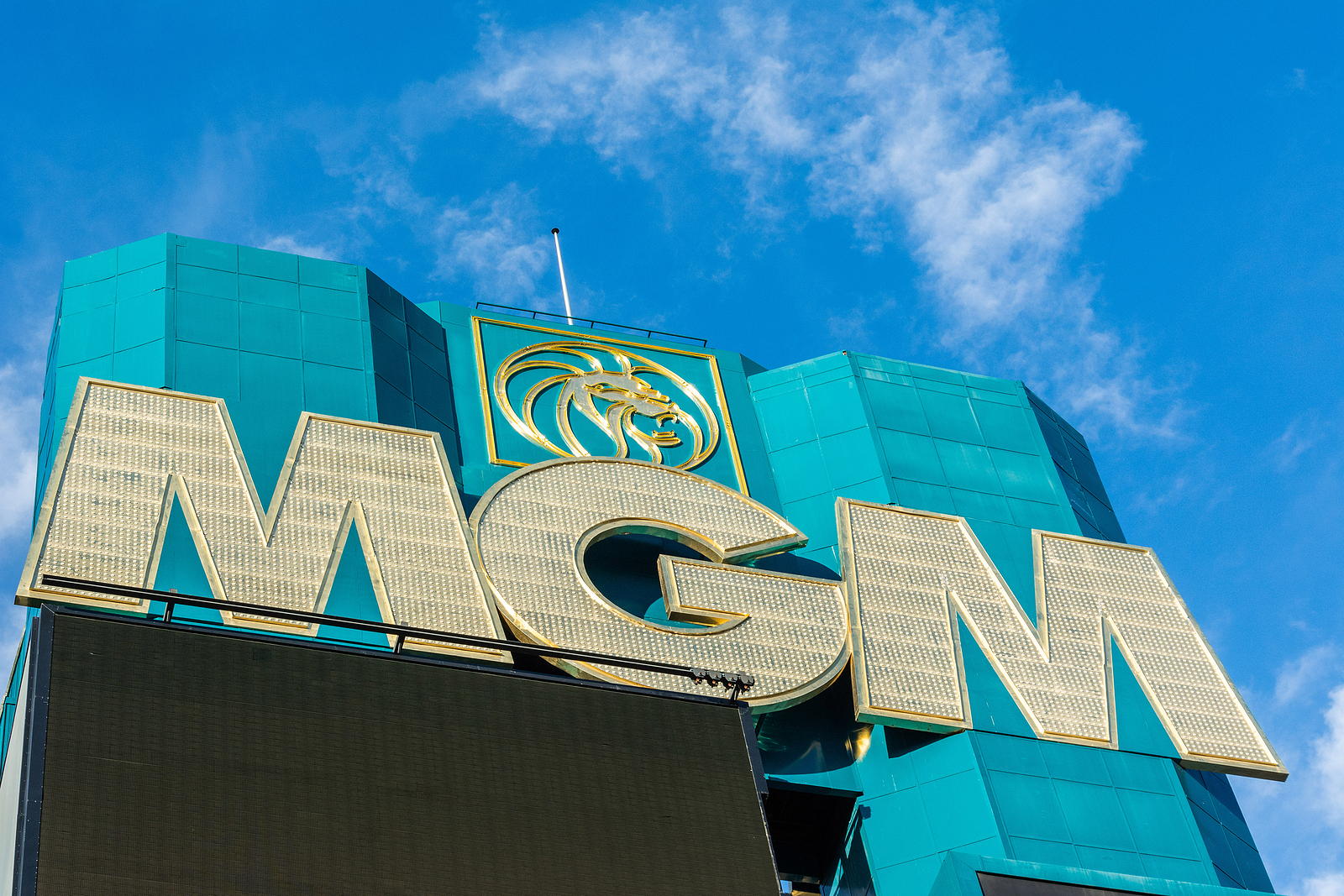
MGM Resorts said costs from a disruptive ransomware hack has exceeded $110 million, including $10 million in one-time consulting cleanup fees.

MGM Resorts ransomware

Hospitality and entertainment giant MGM Resorts said costs from last month’s debilitating ransomware infection have exceeded $110 million, including $10 million in one-time consulting clean-up fees.

In an SEC 8-K filing, MGM Resorts said the data-extortion attack caused operational disruptions, especially in its Las Vegas properties, and an estimated financial toll that includes about $100 million in lost revenue.

MGM Resorts, which manages prominent hotels like Mandalay Bay (site of the Black Hat security conference), Bellagio, MGM Grand, Aria, Luxor and the Cosmopolitan, said it also shelled out $10 million for technology consulting services, legal fees and expenses of other third party advisors. 

The company confirmed “disruptions” at some of its properties but said the breach did not cause the loss of any customer bank account numbers or payment card details.

However, MGM Resorts said the hackers stole personal information (including name, contact information (phone number, email address and postal address), gender, date of birth and driver’s license numbers).

“For a limited number of customers, Social Security numbers and passport numbers were also obtained by the criminal actors,” the company added.

Advertisement. Scroll to continue reading.

“The types of impacted information varied by individual. At this time, [we] do not believe that customer passwords, bank account numbers or payment card information were obtained by the criminal actors. In addition, the Company does not believe that the criminal actors accessed The Cosmopolitan of Las Vegas systems or data,” MGM Resorts added.

A known ransomware gang called Scattered Spider has taken credit for the September hack that impacted MGM’s website, casinos, and systems used for email, restaurant reservations, and hotel bookings, and even digital hotel room keys. 

Scattered Spider, according to published reports, also hacked casino giant Caesars Entertainment and collected millions in data extortion ransom payments.

Related: MGM Resorts Confirms ‘Cybersecurity Issue’, Shuts Down Systems

Related: Ransomware Gang Takes Credit for Disruptive MGM Resorts Cyberattack

Related: MGM Hackers Broadening Targets, Monetization Strategies

Written By

Ryan Naraine is Editor-at-Large at SecurityWeek and host of the popular Security Conversations podcast series. He is a security community engagement expert who has built programs at major global brands, including Intel Corp., Bishop Fox and GReAT. Ryan is a founding-director of the Security Tinkerers non-profit, an advisor to early-stage entrepreneurs, and a regular speaker at security conferences around the world.

Daily Briefing Newsletter

Subscribe to the SecurityWeek Email Briefing for the latest cybersecurity threats, trends, and expert insights.

Click to comment

Trending

Daily Briefing Newsletter

Subscribe to the SecurityWeek Email Briefing to stay informed on the latest threats, trends, and technology, along with insightful columns from industry experts.

Join this live webinar as we break down why email-layer defenses alone can't keep pace with the modern phishing ecosystem, how agentic AI is changing the capacity equation for security teams, and more.

Register

This year's summit will help organizations learn how to utilize tools, controls, and design models needed to properly secure cloud environments. Interact with leading solution providers and other end users facing similar challenges in securing a variety of cloud deployments.

Register

People on the Move

Fable Security has appointed Jacob Berry as Chief Information Security Officer.

iCOUNTER has named Ali Waezzadah as Chief Information Security Officer.

Roger Hale has joined 1Kosmos as Chief Information Security Officer.

More People On The Move

Expert Insights

Four decades of incident response experience suggest that exploits are often the symptom, not the root cause, of today’s cybersecurity failures.

Daily Briefing Newsletter

Subscribe to the SecurityWeek Email Briefing to stay informed on the latest cybersecurity news, threats, and expert insights. Unsubscribe at any time.





