
Someone has leaked what appear to be source code files for the Windows XP and Windows Server 2003 operating systems
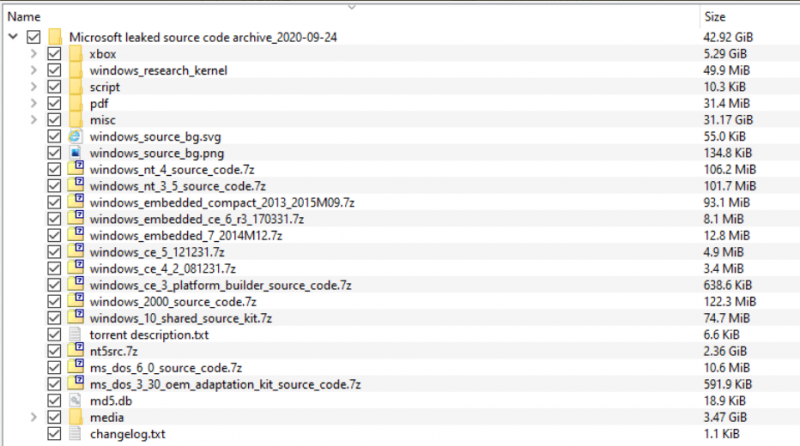
The files were leaked on the image-based bulletin board 4chan and they can be downloaded both from file hosting websites and via torrents. There are tens of gigabytes of files and they also seem to include source code for older Microsoft operating systems (MS-DOS, Windows NT, Windows CE, Windows 2000), previously leaked files related to Xbox, and Bill Gates conspiracy theories.
One individual claimed on 4chan that these files have been “going around privately for many years now.”
The source code files for Windows XP and Windows Server 2003 appear to have been made public for the first time. Several people say the code looks legitimate and one infosec enthusiast pointed out that the leaked Windows XP code seems to be for the SP1 version.
Both Windows XP and Windows Server 2003 reached end of life and end of support years ago. However, according to some recent data, Windows XP is still running on roughly one percent of computers worldwide, which translates to tens of millions of PCs.
From a security perspective, while the Windows XP source code could be useful for finding some new vulnerabilities in the operating system, threat actors have plenty of existing exploits to choose from if they want to target devices running Windows XP.
Some pointed out, however, that parts of the code in Windows XP likely also made it into Windows 10, which could have more serious implications.
On the other hand, the source code of Windows operating systems is not a closely guarded secret, as some pointed out. Microsoft has been giving access to Windows source code to plenty of entities, particularly for transparency purposes. It’s also worth noting that some Windows 10 source code was also leaked online a few years ago.
Nevertheless, some individuals already claim to have found “interesting stuff” in the leaked files.
SecurityWeek has reached out to Microsoft for comment and will update this article if the company responds.
UPDATE: Microsoft told SecurityWeek it’s investigating the matter.
Related: Source Code From Major Firms Leaked via Unprotected DevOps Infrastructure
Related: AMD Confirms Hacker Stole Information on Graphics Products
Related: Intel Investigating Data Leak of Technical Documents, Tools






