
Intel late on Monday announced two new security-related technologies, including a threat detection system and a framework for building protection into processors, and a strategic collaboration with Purdue University whose goal is to address the shortage of cybersecurity talent.
Following the discovery of the Meltdown and Spectre vulnerabilities, Intel has promised to take steps to avoid these types of situations through protections built into CPUs, a dedicated bug bounty program, and industry collaboration.
Intel recently detailed the protection mechanisms it plans on adding to its chips, and the company has now unveiled its Threat Detection Technology. This system uses silicon-level telemetry and functionality to help security products detect sophisticated cyber threats.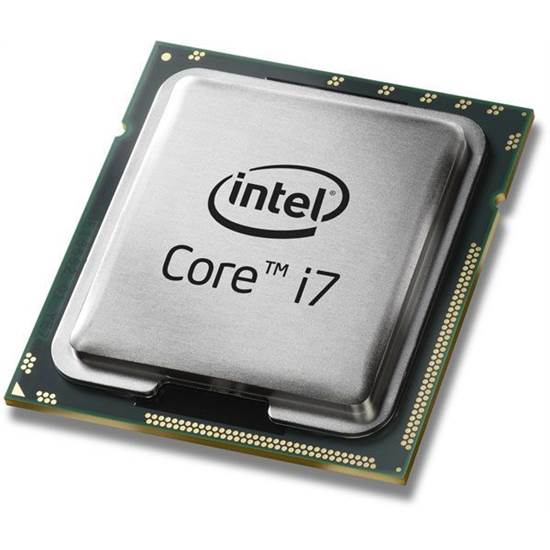
One component of the Threat Detection Technology is called Accelerated Memory Scanning, which Microsoft will integrate into Windows Defender Advanced Threat Protection (ATP) later this month.
The Accelerated Memory Scanning capability will allow Windows Defender and other security products to more efficiently scan the system memory for threats by using Intel’s integrated graphics processor.
Using the GPU instead of the CPU will enable more frequent scanning, and will result in reduced impact on performance and power consumption, Intel said. Tests made by the company showed a drop in CPU usage from 20 percent to as little as 2 percent.
On the other hand, using the GPU to conduct scans can have a negative performance impact on processes that require the graphics processor, Intel admitted during a call with reporters. However, the company says it’s working on figuring out how to optimize performance based on the CPU and GPU workloads.
The second component of Intel Threat Detection Technology is called Advanced Platform Telemetry and it combines telemetry with machine learning algorithms to improve threat detection, reduce false positives, and minimize impact on performance.
The Advanced Platform Telemetry capability will first be integrated into Cisco Tetration, a product that provides holistic workload protection for multicloud data centers.
Intel has also unveiled Security Essentials, a framework that standardizes built-in security features in Intel chips, including Core, Xeon and Atom processors.
“These capabilities are platform integrity technologies for secure boot, hardware protections (for data, keys and other digital assets), accelerated cryptography and trusted execution enclaves to protect applications at runtime,” explained Rick Echevarria, vice president and general manager of Intel Platforms Security Division.
“This standard set of capabilities will accelerate trusted computing as customers build solutions rooted in hardware-based protections. Further, these capabilities, directly integrated into Intel silicon, are designed to improve the security posture of computing, lower the cost of deploying security solutions and minimize the impact of security on performance,” Echevarria added.
As for the strategic collaboration with Purdue University, Intel announced a Design for Security Badge Program whose goal is to accelerate the development and availability of cybersecurity professionals.
Related: Intel Will Not Patch Spectre in Some CPUs
Related: Intel CPUs Vulnerable to New ‘BranchScope’ Attack
Related: Intel Discontinues Keyboard App Affected by Critical Flaws






