Connect with us

Hi, what are you looking for?

SecurityWeekSecurityWeek

Application Security

Google: 80% of Android Apps Encrypt Traffic by Default

Google has shared some data on the adoption of Transport Layer Security (TLS) by Android applications and it seems that significant progress has been made over the past two years.

Google has shared some data on the adoption of Transport Layer Security (TLS) by Android applications and it seems that significant progress has been made over the past two years.

According to Google, 80% of Android apps now encrypt traffic by default and the percentage is even higher in the case of applications designed for the latest versions of the operating system. The company says 90% of Android apps designed to run on Android 9 and higher encrypt traffic by default.
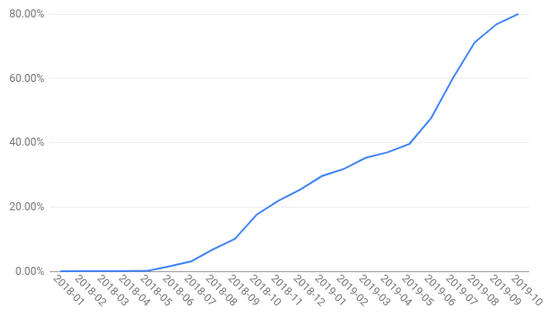
Android TLS adoption rates

Starting with November 1, 2019, Google has been requiring all apps, including new apps released on Google Play and updates to existing applications, to target Android 9 or higher. The company expects that this too will have a positive impact and TLS adoption rates will continue to increase.

The Network Security Configuration, which Google introduced in 2016, allows developers to configure their app’s network security policy via a configuration file. This policy is automatically configured to prevent unencrypted traffic for every domain in the case of apps targeting Android 9 or 10.

Google is also alerting developers via the Android Studio development environment and the Play Console pre-launch reports when their application allows unencrypted traffic or it accepts user-specified certificates. Both of these practices make it possible to intercept or modify data associated with the application.

If needed, developers can add exceptions to the security policy to allow unencrypted traffic and they can accept user-specified certificates, but Google has advised them to keep the security and privacy implications in mind when doing so.

Advertisement. Scroll to continue reading.

Related: Google Turns TLS on By Default on Android P

Related: Android Q Enables TLS 1.3 Support by Default

Related: Google Patches Remote Code Execution Bugs in Android 10

Related: Vulnerability in Network Provisioning Affects Majority of All Android Phones

Written By

Eduard Kovacs (@EduardKovacs) is senior managing editor at SecurityWeek. He worked as a high school IT teacher before starting a career in journalism in 2011. Eduard holds a bachelor’s degree in industrial informatics and a master’s degree in computer techniques applied in electrical engineering.

Daily Briefing Newsletter

Subscribe to the SecurityWeek Email Briefing for the latest cybersecurity threats, trends, and expert insights.

Click to comment

Trending

Daily Briefing Newsletter

Subscribe to the SecurityWeek Email Briefing to stay informed on the latest threats, trends, and technology, along with insightful columns from industry experts.

Join this live webinar as we break down why email-layer defenses alone can't keep pace with the modern phishing ecosystem, how agentic AI is changing the capacity equation for security teams, and more.

Register

This year's summit will help organizations learn how to utilize tools, controls, and design models needed to properly secure cloud environments. Interact with leading solution providers and other end users facing similar challenges in securing a variety of cloud deployments.

Register

People on the Move

Sherrod DeGrippo has been appointed Head of Threat Intelligence for Palo Alto Networks Unit 42.

Christopher Porter has joined Booz Allen Hamilton as Global Chief Information Security Officer.

Yael Ben Arie has joined exposure validation company Pentera as Chief Product Officer.

More People On The Move

Expert Insights

Daily Briefing Newsletter

Subscribe to the SecurityWeek Email Briefing to stay informed on the latest cybersecurity news, threats, and expert insights. Unsubscribe at any time.