
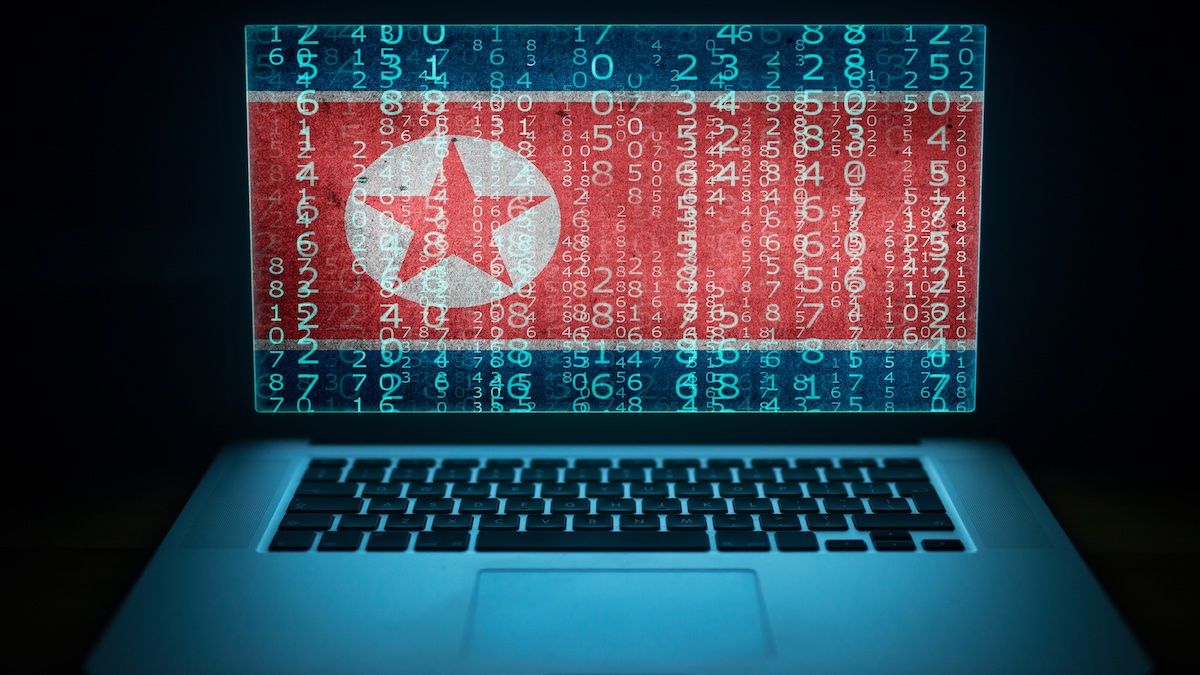
North Korean hackers stole approximately $660 million in cryptocurrency in 2024, the US, Japan, and South Korea said in a joint statement on Tuesday.
Warning the blockchain technology industry of the threat posed by the North Korean hacking groups, the statement reiterates that the stolen funds are used to fuel Pyongyang’s “unlawful weapons of mass destruction and ballistic missile programs”.
Democratic People’s Republic of Korea (DPRK) hackers, the three countries say, were responsible for at least five cryptocurrency heists last year, stealing $308 million from DMM Bitcoin, $50 million from Upbit, $16.13 million from Rain Management, $235 million from WazirX, and $50 million from Radiant Capital.
“The advanced persistent threat groups affiliated with the DPRK, including the Lazarus Group, which was designated by the relevant authorities of our three countries, continue to demonstrate a pattern of malicious behavior in cyberspace by conducting numerous cybercrime campaigns to steal cryptocurrency and targeting exchanges, digital asset custodians, and individual users,” the joint statement reads.
The North Korea-affiliated threat actors employ well-disguised social engineering attacks to deploy malware such as TraderTraitor, AppleJeus, and others. Some of these malicious campaigns have been ongoing for over half a decade.
In September 2024, the FBI warned that North Korean hackers have been aggressively targeting the cryptocurrency industry, conducting extensive research on prospective victims and approaching them with individualized fake scenarios.
Additionally, the US, Japan, and Korea also issued multiple warnings on the threat posed by North Korean fake IT workers, who funneled at least $88 million to the Pyongyang regime over six years.
“The United States, Japan, and the Republic of Korea advise private sector entities, particularly in blockchain and freelance work industries, to thoroughly review these advisories and announcements to better inform cyber threat mitigation measures and mitigate the risk of inadvertently hiring DPRK IT workers,” the joint statement reads.
Related: Hackers Stole $1.49 Billion in Cryptocurrency to Date in 2024
Related: North Korea Deploying Fake IT Workers in China, Russia, Other Countries
Related: US Issues Final Rule for Protecting Personal Data Against Foreign Adversaries
Related: With War Next Door, EU is Warned on Cybersecurity Gaps






