
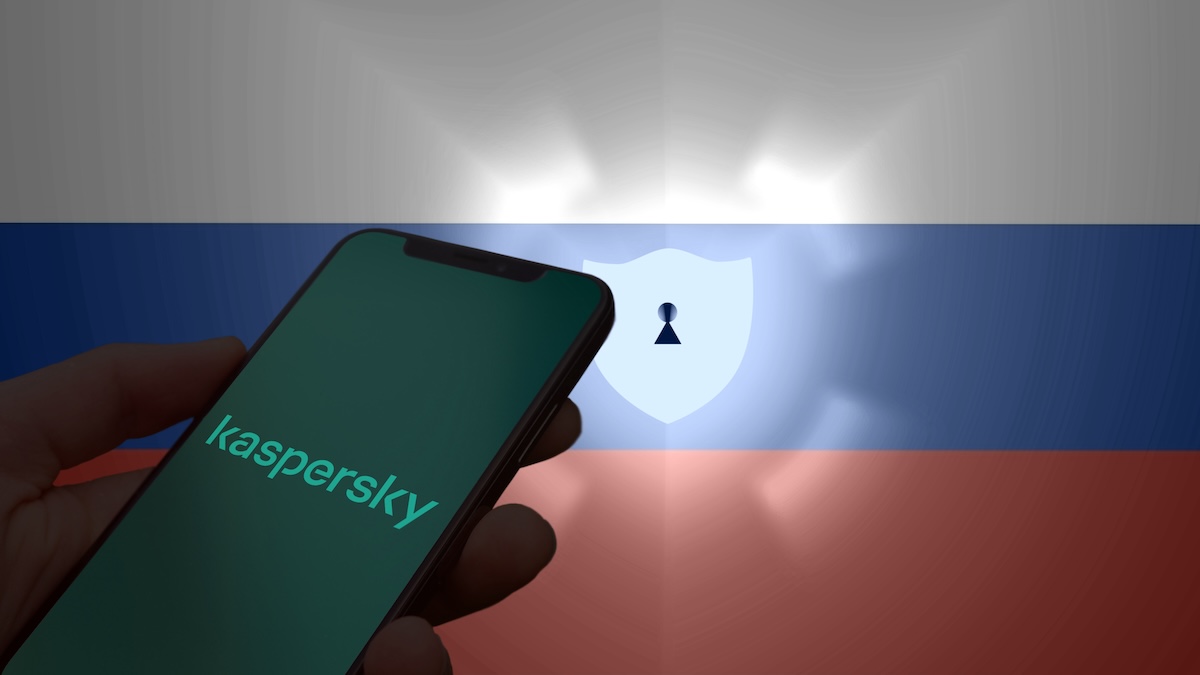
The US government on Thursday announced a ban on the sale of Kaspersky software over fears that the cybersecurity company is controlled by Russia.
The United States has been concerned about the Russian government’s potential control and influence over Kaspersky for several years. In 2017, the Trump administration banned the use of Kaspersky products and services in federal agencies due to the risk of spying.
Several European countries followed suit while Kaspersky launched transparency initiatives and took other steps to clear its name.
Russia’s war against Ukraine has only been making things worse for Kaspersky in the West, and the Biden administration has now prohibited Kaspersky — as well as its affiliates and subsidiaries — from directly or indirectly providing antimalware and other cybersecurity software products and services in the United States or to US persons.
“Kaspersky will generally no longer be able to, among other activities, sell its software within the United States or provide updates to software already in use,” said the US Department of Commerce’s Bureau of Industry and Security (BIS).
Kaspersky has also been added to a list of entities that cooperate with Russian military and intelligence agencies to support Moscow’s objectives.
The US government believes Kaspersky software products create national security vulnerabilities, including due to the fact that Kaspersky is subject to the control of Russia, the firm’s software provides Russia with access to sensitive US customer information, the ability of Kaspersky software to enable malware delivery, and the risks of espionage and disruption in critical infrastructure.
Effective September 29, 2024, reselling, integrating and licensing Kaspersky cybersecurity software is prohibited. That is also the date when the Kaspersky Security Network will have to stop operating and providing updates to Americans. The delay is meant to give time to current Kaspersky customers to transition to other products.
“Individuals and businesses that continue to use existing Kaspersky products and services will not face legal penalties under the Final Determination. However, any individual or business that continues to use Kaspersky products and services assumes all the cybersecurity and associated risks of doing so,” the BIS clarified.
It’s worth highlighting that Kaspersky will still be able to provide products and services related to threat intelligence, training, and consulting in the United States.
“Despite proposing a system in which the security of Kaspersky products could have been independently verified by a trusted 3rd party, Kaspersky believes that the Department of Commerce made its decision based on the present geopolitical climate and theoretical concerns, rather than on a comprehensive evaluation of the integrity of Kaspersky’s products and services,” Kaspersky said in response to the ban.
“Kaspersky does not engage in activities which threaten U.S. national security and, in fact, has made significant contributions with its reporting and protection from a variety of threat actors that targeted U.S. interests and allies. The company intends to pursue all legally available options to preserve its current operations and relationships,” it added.
Related: Mysterious Operative Haunted Kaspersky Critics
Related: Italy Investigates Russia’s Kaspersky Antivirus Software
Related: Germany Warns Against Russia’s Kaspersky Anti-Virus Software






