
Connect with us

Hi, what are you looking for?

SecurityWeekSecurityWeek

Vulnerabilities

Unpatched Flaw in Legacy D-Link NAS Devices Exploited Days After Disclosure  

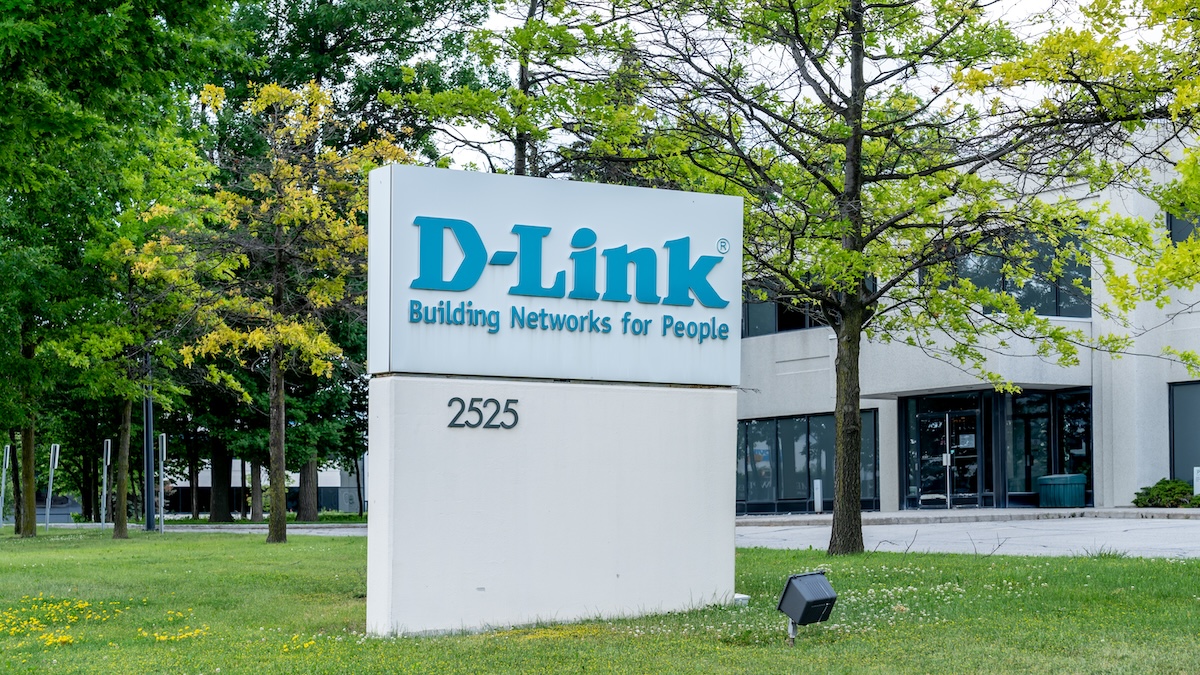
Exploitation attempts targeting CVE-2024-10914, a recently disclosed ‘won’t fix’ vulnerability affecting outdated D-Link NAS devices. 

D-Link vulnerabilities

A few days after D-Link informed customers that it will not patch a vulnerability found recently in some of its legacy network-attached storage (NAS) devices, the Shadowserver Foundation started seeing in-the-wild exploitation attempts aimed at the flaw.

The vulnerability, tracked as CVE-2024-10914, has been described as a command injection issue that allows an unauthenticated, remote attacker to inject arbitrary shell commands via specially crafted HTTP GET requests.

NetSecFish last week disclosed the details of the vulnerability and noted that there had been over 61,000 internet-exposed D-Link NAS devices. 

D-Link has identified 20 impacted DNS series NAS models and urged their owners to replace the devices as they have reached end of life (EOL) and they will not receive security patches for CVE-2024-10914. 

D-Link published an advisory on November 8 and the Shadowserver Foundation started seeing exploitation attempts targeting CVE-2024-10914 on November 12. 

The non-profit cybersecurity organization has seen roughly 1,100 internet-exposed devices that could be vulnerable to attacks, a majority located in Europe.  

Advertisement. Scroll to continue reading.

It’s not uncommon for threat actors to target D-Link NAS device vulnerabilities. Earlier this year, a different D-Link NAS product vulnerability disclosed by NetSecFish was exploited in attacks just days after its disclosure. 

D-Link router vulnerabilities have also been targeted by threat groups in recent years. 

Related: Critical Zimbra Vulnerability Exploited One Day After PoC Release

Related: D-Link Warns of Code Execution Flaws in Discontinued Router Model

Related: Recent Zyxel NAS Vulnerability Exploited by Botnet

Written By

Eduard Kovacs (@EduardKovacs) is senior managing editor at SecurityWeek. He worked as a high school IT teacher before starting a career in journalism in 2011. Eduard holds a bachelor’s degree in industrial informatics and a master’s degree in computer techniques applied in electrical engineering.

Daily Briefing Newsletter

Subscribe to the SecurityWeek Email Briefing for the latest cybersecurity threats, trends, and expert insights.

Daily Briefing Newsletter

Subscribe to the SecurityWeek Email Briefing to stay informed on the latest threats, trends, and technology, along with insightful columns from industry experts.

SecurityWeek’s Cyber AI & Automation Summit pushes the boundaries of security discussions by exploring the implications and applications of predictive AI, machine learning, and automation in modern cybersecurity programs.

Register

Join to learn the four levels of architecting security into the agentic SDLC – from securing the code your developers' agents write to running a coordinated system of security agents you've built yourself.

Register

People on the Move

Jensen Huang has been reinstated as President and CEO at NVIDIA.

Lindsey Cerkovnik has joined Anthropic as Head of Vulnerability Disclosure and Security Community.

Kirsten Davies has been appointed National Cyber Director.

More People On The Move

Expert Insights

Daily Briefing Newsletter

Subscribe to the SecurityWeek Email Briefing to stay informed on the latest cybersecurity news, threats, and expert insights. Unsubscribe at any time.





