
A series of vulnerabilities affecting Samsung’s Find My Mobile could have been chained to perform various types of activities on a compromised smartphone, a researcher from Portugal-based cybersecurity services provider Char49 revealed at the DEF CON conference on Friday.
Find My Mobile is designed to help users find lost Samsung phones. It can also be used to remotely lock a device, block access to Samsung Pay, and completely wipe the phone if it “falls into the wrong hands.”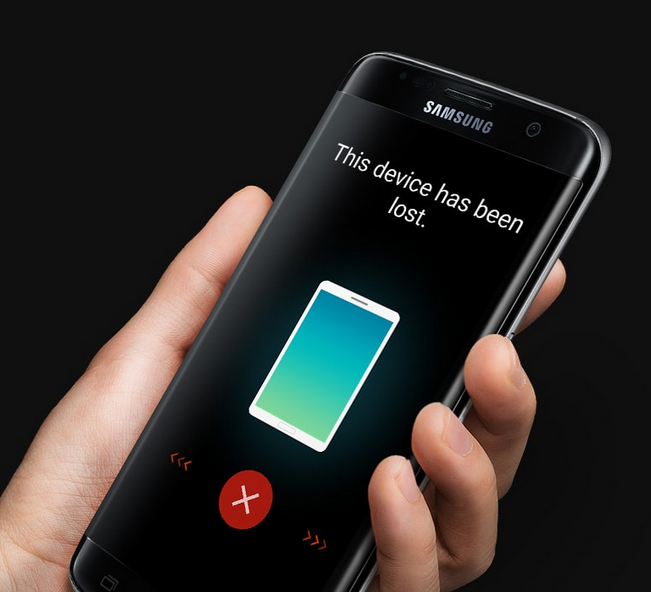
According to Char49, there were a total of four vulnerabilities in Find My Mobile components and they could have been exploited by a malicious app installed on the targeted device.
Pedro Umbelino, the Char49 researcher who found the flaws, told SecurityWeek that the malicious app would only require access to the device’s SD card in order to exploit the first vulnerability in the chain and create a file that allows the attacker to intercept communications with backend servers.
Successful exploitation of the vulnerabilities would have allowed a malicious app to perform any action that the Find My Mobile app could perform, including force a factory reset, wipe data, track the device’s location in real time, retrieve phone calls and messages, and lock and unlock the phone.
The exploit was successfully reproduced on Samsung Galaxy S7, S8 and S9+ devices before the vendor released a patch.
Char49 told SecurityWeek that the vulnerabilities were found more than a year ago, but Samsung only patched them in late October 2019, and the security company wanted to wait for 9 months before making details public.
“This flaw, after setup, can be easily exploited and with severe implications for the user and with a potentially catastrophic impact: permanent denial of service via phone lock, complete data loss with factory reset (sdcard included), serious privacy implication via IMEI and location tracking as well as call and SMS log access,” the company explained in a technical report describing each of the vulnerabilities.
It added, “The [Find My Mobile] application should not have arbitrary components publicly available and in an exported state. If absolutely necessary, for example if other packages call these components, then they should be protected with proper permissions. Testing code that relies on the existence of files in public places should be eliminated.”
Related: Samsung Clarifies Impact of “Find My Mobile” Vulnerability
Related: Samsung Unveils New Security Chip for Mobile Devices
Related: Samsung Patches Critical 0-Click Vulnerability in Smartphones






