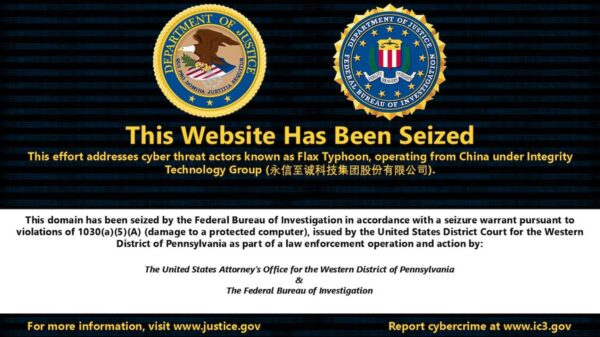
The FBI has seized more than a dozen websites that officials say were part of a Chinese effort to target American workers who have access to classified or sensitive government information, the Justice Department said Wednesday.
The 13 websites purported to be affiliated with consulting companies that advertised job openings for current and former holders of security clearances. But the companies were all fakes and the job postings were a sham, officials said.
The internet domain seizure is part of a broader effort by Western law enforcement and intelligence agencies to sound the alarm about alleged Chinese government plots to recruit workers who can be duped into disclosing sensitive information.
Last week, for instance, the English-speaking Five Eyes intelligence-sharing alliance — Australia, Canada, New Zealand, the U.K. and the U.S. — issued a bulletin warning that China is targeting personnel from those countries on job websites to get access to classified or sensitive information.
The bulletin said spies for Chinese military intelligence have been posing as workers acting on behalf of private businesses or think tanks, advertising for bogus jobs such as foreign policy or defense analysts and pressuring candidates to provide “non-public” information.
According to an FBI affidavit filed in connection with the website seizure, the fake websites relied on fraudulent or stolen identities and AI-generated photographs to give them the appearance of legitimacy, and advertised generic “consulting” jobs geared toward current or former U.S. government employees.
“These websites are often linked or referenced within the entities’ job postings on LinkedIn and other hiring platforms,” the affidavit said.
Applicants and recruits were offered money for reports related to their work and for sensitive information, the Justice Department said. The operators of the plot, who officials allege to be tied to Chinese intelligence services, used cryptocurrency and online payment systems to hide their real identities, officials said.
Law enforcement officials identified the websites through information from targets who came forward to report what they believed to be suspicious interactions.
“A lot of this information came from doing interviews, interviews with people who came forward that something didn’t seem right,” Dan Wierzbicki, the special agent in charge of the counterintelligence and cyber division of the FBI’s Washington field office, said in an interview.
“They provided information and said, ‘Hey, this is kind of weird, we’re kind of getting paid by a cryptocurrency or an online payment system that’s not typical,’” he added.
He said the FBI believes there are other websites serving a similar purpose and is seeking the public’s help in identifying them.
A spokesperson for the Chinese embassy in Washington called allegations of Chinese espionage “entirely fabricated” and “malicious slander.”
Related: China-Linked APT GopherWhisper Abuses Legitimate Services in Government Attacks
Related: FBI Warns of Data Security Risks From China-Made Mobile Apps
Related: 3 Men Charged With Conspiring to Smuggle US Artificial Intelligence to China