
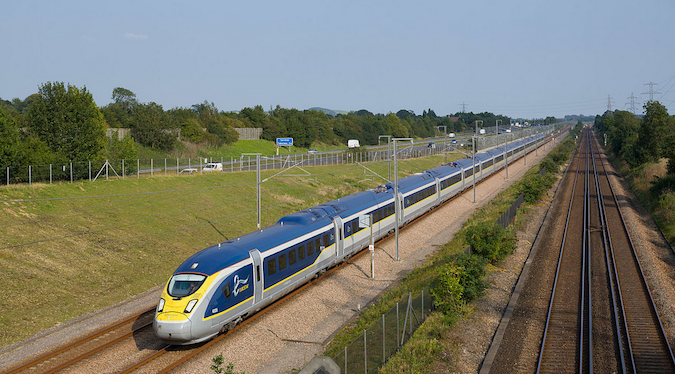
Trains stopped in Denmark on Saturday as a result of a cyberattack. The incident shows how an attack on a third-party IT service provider could result in significant disruption in the physical world.
According to Danish broadcaster DR, all trains operated by DSB, the largest train operating company in the country, came to a standstill on Saturday morning and could not resume their journey for several hours.
While this may sound like the work of a sophisticated threat actor that targeted operational technology (OT) systems in an effort to cause disruption, it was actually the result of a security incident at Supeo, a Danish company that provides enterprise asset management solutions to railway companies, transportation infrastructure operators and public passenger authorities.
Supeo may have been targeted in a ransomware attack. The company has not shared any information, but a DSB representative told Reuters that it was an “economic crime”.
The disruption to trains came after Supeo decided to shut down its servers as a result of the hacker attack. This led to a piece of software used by train drivers no longer working.
Supeo provides a mobile application that train drivers use to access critical operational information, such as speed limits and information on work being done to the railroad. When the subcontractor decided to shut down its servers, the application stopped working and drivers were forced to stop their trains, according to the media reports.
Threat actors attacking railways is not uncommon, with recent targets including Belarus, Italy, the UK, Israel and Iran. While researchers have shown that modern train systems are vulnerable to hackers, these recent attacks targeted websites, ticketing and other IT systems, rather than control systems.
In the United States, the Transportation Security Administration (TSA) recently issued a new directive whose goal is to improve the cybersecurity of railroad operations.
Related: Rail System Cybersecurity Firm Cylus Raises $12 Million
Related: Researchers Link Mysterious ‘MeteorExpress’ Wiper to Iranian Train Cyberattack






