Coca-Cola on Monday confirmed that the recent ransomware attack on its dairy products subsidiary Fairlife resulted in a data breach.
The soft drinks giant disclosed the cybersecurity incident on July 16, when it announced suspending production at Fairlife facilities in the United States while it investigated and responded to a cybersecurity intrusion.
The Anubis ransomware group listed Coca-Cola and Fairlife on its leak website on July 20, suggesting that it had encrypted files on compromised systems and claiming to have stolen 1 TB of confidential data.
In a statement issued on Monday, Coca-Cola said a majority of production has been resumed at the four Fairlife facilities in the US.
The statement also confirms that the incident involved the “taking of certain data”, but no other details have been shared at this time.
“Retail availability of Fairlife products has been largely unimpacted, due to the availability of existing inventory. Product quality and safety have not been impacted,” Coca-Cola stated.
It added, “Based on the information currently available, the company believes the incident has not had, and is not reasonably likely to have, a material impact on the company’s financial condition or results of operations.”
At the time of writing, a timer on the Anubis website indicates that the stolen data will be made public in two hours unless a ransom is paid.
It’s unclear exactly what type of data has been compromised, but it’s not uncommon for extortion gangs to exaggerate the importance of the files they have stolen to put pressure on victims.
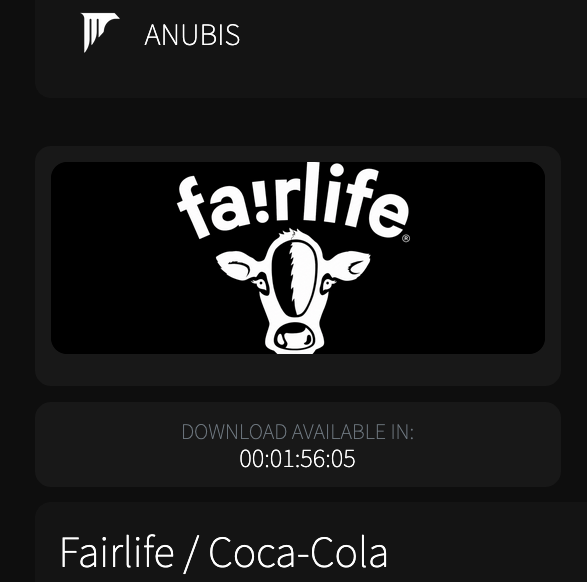
Active since December 2024, the Anubis ransomware group has listed roughly 100 targeted organizations on its website.
Anubis uses a double-extortion model that involves encrypting files on compromised systems and exfiltrating valuable data to increase its chances of getting paid.
The cybercrime gang caught the attention of the cybersecurity industry for a ‘wiper mode’ feature that enables it to permanently delete victims’ files and prevent their recovery.
Related: DentaQuest Data Breach Potentially Impacts Over 23 Million People
Related: MCBS Data Breach Affects 1.2 Million Individuals
Related: Data Breach Confirmed After Australian Energy Giant Origin Is Hacked