Connect with us

Hi, what are you looking for?

SecurityWeekSecurityWeek

Vulnerabilities

Chrome 141 and Firefox 143 Patches Fix High-Severity Vulnerabilities

High-severity flaws were patched in Chrome’s WebGPU and Video components, and in Firefox’s Graphics and JavaScript Engine components.

Chrome and Firefox vulnerabilities

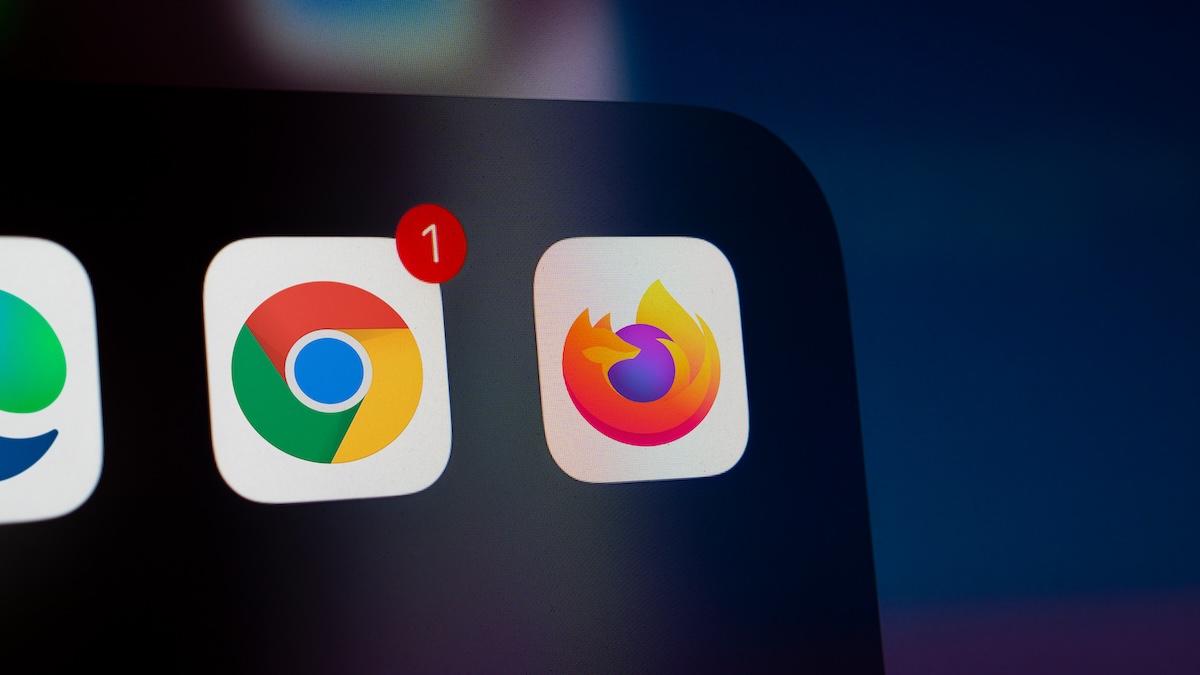
Google and Mozilla this week released Chrome and Firefox browser updates that address multiple high-severity vulnerabilities.

Google promoted Chrome 141 to the stable channel with 21 security fixes, including 12 for security defects reported by external researchers, who earned a total of $50,000 for their findings.

Two of the externally reported bugs, tracked as CVE-2025-11205 and CVE-2025-11206, are high-severity heap buffer overflow issues impacting Chrome’s WebGPU and Video components.

Google says it handed out a $25,000 bug bounty reward for the WebGPU flaw, which was reported by Atte Kettunen of OUSPG in early September.

Chrome 141 also resolves eight medium-severity vulnerabilities, including side-channel information leakage issues in Storage and Tab, inappropriate implementation bugs in Media and Omnibox, an out-of-bounds read flaw in Media, and an off-by-one error in the V8 JavaScript engine.

The remaining two security holes reported by external researchers are low-severity issues affecting Chrome’s Storage component and the V8 engine.

Advertisement. Scroll to continue reading.

The latest Chrome iteration is rolling out as version 141.0.7390.54 for Linux and as versions 141.0.7390.54/55 for Windows and macOS. The patches were also included in Chrome 141.0.7390.43 for Android.

Mozilla released Firefox 143.0.3 this week with fixes for two high-severity defects in the Graphics and JavaScript Engine components.

The Graphics flaw, tracked as CVE-2025-11152, is an integer overflow issue that could lead to sandbox escape. The JavaScript Engine weakness, tracked as CVE-2025-11153, is described as a JIT miscompilation.

Neither Google nor Mozilla mention any of these vulnerabilities being exploited in the wild, but users are advised to update their browsers as soon as possible.

Related: Chrome 140 Update Patches Sixth Zero-Day of 2025

Related: OpenSSL Vulnerabilities Allow Private Key Recovery, Code Execution, DoS Attacks

Related: AMTSO Releases Sandbox Evaluation Framework

Related: Security is Everywhere. Can Your Services Keep Up?

Written By

Ionut Arghire is an international correspondent for SecurityWeek.

Daily Briefing Newsletter

Subscribe to the SecurityWeek Email Briefing for the latest cybersecurity threats, trends, and expert insights.

Trending

Daily Briefing Newsletter

Subscribe to the SecurityWeek Email Briefing to stay informed on the latest threats, trends, and technology, along with insightful columns from industry experts.

Organizations are investing heavily in third-party risk management, but breaches, delays, and blind spots continue to persist. Join this live webinar as we examine the gap between how organizations think their third-party risk programs are performing and what’s actually happening in practice.

Register

Explore how attackers are using AI to scale threats and how security teams can respond with AI-driven defenses. Protecting against unmonitored use of generative AI (Shadow AI) in business units and building and enforcing AI governance frameworks.

Register

People on the Move

Opal Security has appointed CPO, CTO, VP of Field Engineering, VP of Marketing, and Head of Product and Solutions Marketing.

The Department of the Air Force has appointed Ashley Devoto as Chief Information Officer.

Bartley Richardson has been named Chief AI and Autonomous Systems Officer at CrowdStrike.

More People On The Move

Expert Insights

Daily Briefing Newsletter

Subscribe to the SecurityWeek Email Briefing to stay informed on the latest cybersecurity news, threats, and expert insights. Unsubscribe at any time.