
Connect with us

Hi, what are you looking for?

SecurityWeekSecurityWeek

Identity & Access

Apple Enables Two-Factor Authentication for FaceTime, iMessage

Apple has extended its two-factor authentication (2FA) feature to the FaceTime and iMessage communication services to allow users to protect their accounts and their data.

Apple has extended its two-factor authentication (2FA) feature to the FaceTime and iMessage communication services to allow users to protect their accounts and their data.

Passwords are often stolen by malicious actors and many major companies have realized that an additional layer of security is needed to protect accounts. With 2FA enabled, users will be required to provide their password and a 4-digit verification code when they log in to their accounts from an unrecognized device. This way, if the password is compromised, an attacker will not be able to access the account.

The verification code is delivered via SMS or the Find My Phone service to a trusted device registered by the user. At least one SMS capable phone number must be registered.
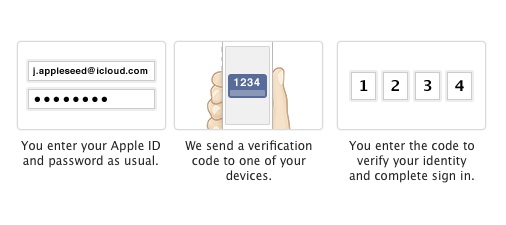
Apple 2FA

Customers are also provided with a 14-character recovery key that they can use to regain access to their account in case they lose their trusted device or forget their password.

Apple introduced two-step verification for Apple IDs in March 2013 following the hack attack targeting journalist Matt Honan. Last year, in response to the celebrity picture leaks, the company extended the option to iCloud.

In order to enable 2FA for their accounts, Apple customers must go to My Apple ID, sign in to their accounts, select Password and Security, and select Get Started under Two-Step Verification. FaceTime and iMessage users who previously enabled 2FA don’t have to take any action.

Advertisement. Scroll to continue reading.

2FA can be highly useful for protecting accounts against unauthorized access, but the security feature can sometimes be bypassed. Last summer, researchers found a way to bypass PayPal’s 2FA.


Written By

Eduard Kovacs (@EduardKovacs) is senior managing editor at SecurityWeek. He worked as a high school IT teacher before starting a career in journalism in 2011. Eduard holds a bachelor’s degree in industrial informatics and a master’s degree in computer techniques applied in electrical engineering.

Daily Briefing Newsletter

Subscribe to the SecurityWeek Email Briefing for the latest cybersecurity threats, trends, and expert insights.

Click to comment

Trending

Daily Briefing Newsletter

Subscribe to the SecurityWeek Email Briefing to stay informed on the latest threats, trends, and technology, along with insightful columns from industry experts.

Learn how to address potential risks and not restrict AI adoption in your organization. See what a centralized AI gateway is and how it works in practice.

Register

Join as we decipher the world of zero trust and share war stories on securing an organization by eliminating implicit trust and continuously validating every stage of a digital interaction.

Register

People on the Move

Chip Wentz has been appointed as SVP & CISO at Keurig Dr Pepper Inc.

Lumen Technologies has named Kim Keever as CSO.

Quantum Secure Encryption Corp. has appointed Joseph Hall as CIO.

More People On The Move

Expert Insights

Daily Briefing Newsletter

Subscribe to the SecurityWeek Email Briefing to stay informed on the latest cybersecurity news, threats, and expert insights. Unsubscribe at any time.




