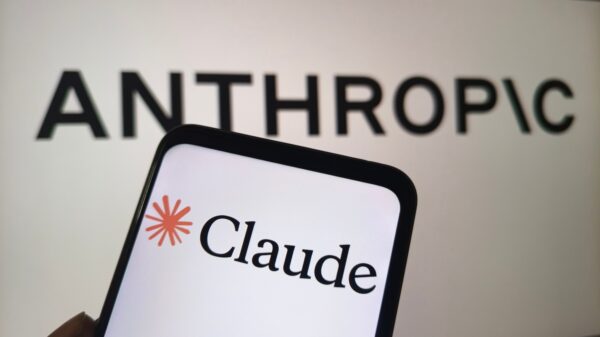
The Trump administration has lifted restrictions on artificial intelligence company Anthropic’s latest versions of its Claude chatbot, ending a weekslong ban tied to cybersecurity concerns.
Anthropic said Tuesday night that its AI model called Claude Fable 5 is now widely available. It’s also restoring access to its most powerful model, Mythos 5, but only to a select group of U.S.-based organizations approved by the federal government.
The Commerce Department blocked foreign nationals from using both AI models on June 12, a move that San Francisco-based Anthropic said forced the company to immediately take the products down for all users just days after it unveiled them.
Anthropic said in a blog post this week that the government’s concerns were sparked by a report from cybersecurity researchers at Amazon, Anthropic’s primary cloud computing provider. The company “had found a method of bypassing Fable 5’s safeguards” that enabled it to discover and potentially exploit software vulnerabilities, Anthropic said.
Officials have grown increasingly concerned since Anthropic warned earlier this year that its Mythos model was adept at finding software flaws in a way that could be weaponized by malicious hackers and threaten critical computer networks around the world.
Anthropic’s chief rival, ChatGPT maker OpenAI, also said Friday it is restricting the release of its new artificial intelligence model at the request of President Donald Trump’s administration.
OpenAI said its new AI product, called GPT-5.6 Sol, would be accessible only to a select group of government-approved customers for a temporary period.
Trump last month signed an executive order on AI oversight that established a framework for the federal government to vet the national security risks of the most advanced AI systems for up to 30 days before their public release. The order described participation by AI developers as voluntary, but the framework has not yet been fully developed.
Learn More at the AI Risk Summit | Ritz-Carlton, Half Moon Bay


Related: OpenAI and Anthropic Limit New AI Models to Trump-Approved Customers During Cybersecurity Review
Related: When Information Becomes the Attack Surface – Understanding AI Agent Traps
Related: macOS Weaknesses Chained to Silently Disable Endpoint Security Agents