Threat actors are exploiting a critical-severity SolarWinds vulnerability that was patched last week, the US cybersecurity agency CISA warns.
Tracked as CVE-2025-40551 (CVSS score of 9.8), the bug affects SolarWinds Web Help Desk (WHD), the ticketing system, service, and asset management solution that has long been a preferred target for hackers.
The fresh flaw is described as an untrusted data deserialization issue that can be exploited without authentication for remote code execution (RCE).
CVE-2025-40551 exists in AjaxProxy functionality due to improper sanitization of requests and the bypass of a blocklist function. Previous security defects in AjaxProxy were exploited using the same method.
Last week, SolarWinds rolled out WHD version 2026.1 with patches for this vulnerability and five other issues, but made no mention of any of them being exploited in attacks.
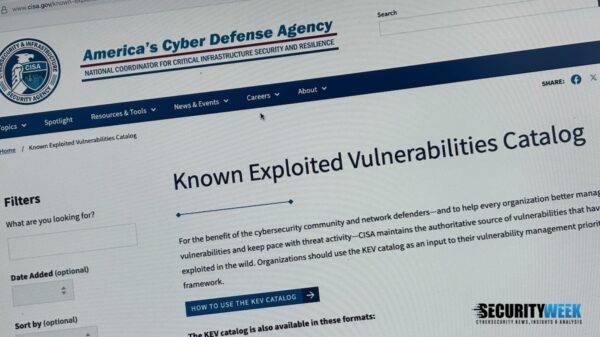
On Tuesday, CISA added CVE-2025-40551 to its Known Exploited Vulnerabilities (KEV) catalog, confirming in-the-wild exploitation and urging federal agencies to patch it within three days, which underlines the high risk the flaw poses.
In addition to the SolarWinds defect, CISA added one GitLab vulnerability and two Sangoma FreePBX issues to the KEV list.
The GitLab bug, tracked as CVE-2021-39935, is a medium-severity issue allowing authenticated attackers to mount SSRF attacks via the CI Lint API. It was patched in December 2021 in GitLab CE/EE versions 14.3.6, 14.4.4, and 14.5.2.
There appear to have been no reports on the exploitation of the SolarWinds and GitLab vulnerabilities prior to CISA’s warning.
The Sangoma FreePBX issues newly added to KEV, however, tracked as CVE-2019-19006 and CVE-2025-64328, were flagged as exploited in attacks before.
In November 2020, Check Point warned that the hacking group tracked as INJ3CTOR3 had been exploiting CVE-2019-19006. Last week, Fortinet said the group has been exploiting CVE-2025-64328 since December.
As mandated by Binding Operational Directive (BOD) 22-01, federal agencies have three weeks to identify vulnerable GitLab and Sangoma FreePBX instances in their environments and apply the available fixes and mitigations.
Related: Critical React Native Vulnerability Exploited in the Wild
Related: Vulnerability Allows Hackers to Hijack OpenClaw AI Assistant
Related: Default ICS Credentials Exploited in Destructive Attack on Polish Energy Facilities
Related: eScan Antivirus Delivers Malware in Supply Chain Attack