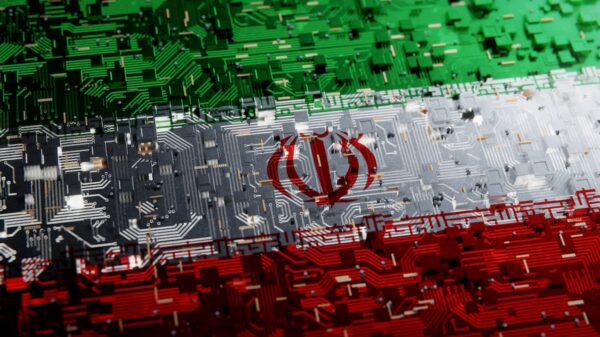
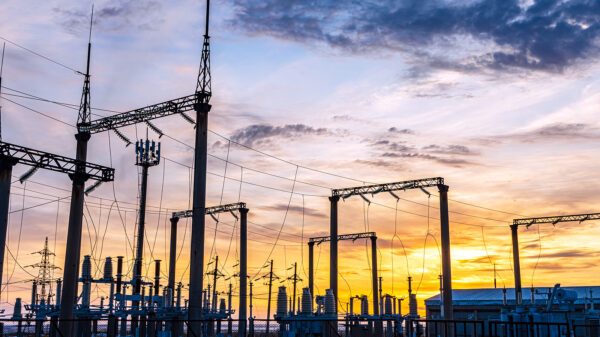
Nearly 70% of Iran’s gas stations went out of service on Monday following possible sabotage — a reference to cyberattacks, Iranian state TV reported.
The report said a “software problem” caused the irregularity in the gas stations. It urged people not to rush to the stations that were still operational.
Israeli media, including the Times of Israel, blamed the problem on an attack by a hacker group dubbed “Gonjeshke Darande” or predatory sparrow.
State TV quoted a statement by the Oil Ministry as saying more than 30% of gas stations remain in service. The country has some 33,000 gas stations.
In recent years, Iran has seen a series of cyberattacks on its filling stations, railway system and industries. Surveillance cameras in government buildings, including prisons, have also been hacked in the past.
In 2022, the Gonjeshke Darande group hacked a major steel company in the southwest of the country. A cyberattack on Iran’s fuel distribution system in 2021 paralyzed gas stations across the country, leading to long lines of angry motorists. The hacking group claimed responsibility for the attack on fuel pumps.
The country disconnected much of its government infrastructure from the internet after the Stuxnet computer virus — widely believed to be a joint U.S.-Israeli creation — disrupted thousands of Iranian centrifuges in the country’s nuclear sites in the late 2000s.
Iran, long sanctioned by the West, faces difficulties in getting up-to-date hardware and software, often relying on Chinese-manufactured electronics or older systems no longer being patched by manufacturers. That would make it easier for a potential hacker to target. Pirated versions of Windows and other software are common across Iran.