
Connect with us

Hi, what are you looking for?

SecurityWeekSecurityWeek

Vulnerabilities

Netatmo Weather Stations Expose Wi-Fi Passwords: Researcher

Personal weather stations developed by Netatmo send Wi-Fi passwords and other information to the company’s servers in clear text, a researcher reported on Thursday.

Personal weather stations developed by Netatmo send Wi-Fi passwords and other information to the company’s servers in clear text, a researcher reported on Thursday.

Netatmo weather stations can be used to monitor indoor temperature, humidity, air quality and CO2 levels. The device also provides outdoor parameters such as temperature, relative humidity, air quality, barometric pressure, and weather. The devices are very popular, as shown by an interactive map available on the company’s website.Netatmo weather station
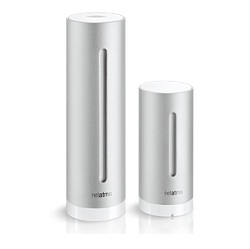
Johannes Ullrich, CTO of the SANS Internet Storm Center, tested one of these weather stations and discovered that after the initial setup, the device had sent his WPA password and the Wi-Fi network’s SSID to Netatmo’s servers unencrypted. This information is provided by the user when the device is configured via a custom application.

“Not only should data like this not be transmitted ‘in the clear’, but in addition, there is no need for Netatmo to know the WPA password for my network,” Ullrich said in a blog post.

Netatmo told the researcher that the contents of the weather station’s memory was collected at first startup for debugging purposes. The company says it has addressed the issue with the release of a firmware update, and has promised to remove the debug memory in the coming weeks.

In an email to SecurityWeek, Netatmo representatives said the weather stations no longer send debug information at installation time.

Internet of Things (IoT) security has made numerous headlines over the past period. A report published by HP last year revealed that 70% of IoT devices had been plagued by serious security flaws.

Advertisement. Scroll to continue reading.

A report published by the company earlier this week on Internet-connected home security systems shows that many of these solutions can be easily accessed by malicious hackers due to the lack of proper protection mechanisms.


Written By

Eduard Kovacs (@EduardKovacs) is senior managing editor at SecurityWeek. He worked as a high school IT teacher before starting a career in journalism in 2011. Eduard holds a bachelor’s degree in industrial informatics and a master’s degree in computer techniques applied in electrical engineering.

Daily Briefing Newsletter

Subscribe to the SecurityWeek Email Briefing for the latest cybersecurity threats, trends, and expert insights.

Click to comment

Trending

Daily Briefing Newsletter

Subscribe to the SecurityWeek Email Briefing to stay informed on the latest threats, trends, and technology, along with insightful columns from industry experts.

Join this live webinar for a practical framework for evolving your AI security program from a single application to an enterprise AI ecosystem and autonomous agents.

Register

In this live webinar, learn how to define your minimum viable business, identify the systems it depends on, measure actual recovery time against business requirements, and present the gaps to the board as measurable risk.

Register

People on the Move

Naveen Bhateja has been appointed Chief People Officer at HackerOne.

The Department of War has appointed Sonu Shankar as Principal Deputy Chief Information Officer.

Trellix has named David Pieterse as Chief Operating Officer GTM and David Soto as Chief Information Security Officer.

More People On The Move

Expert Insights

Daily Briefing Newsletter

Subscribe to the SecurityWeek Email Briefing to stay informed on the latest cybersecurity news, threats, and expert insights. Unsubscribe at any time.




