
Security Experts:

long dotted

NEWS & INDUSTRY UPDATES

The words “good” and “virus” may look funny stuck together in a headline, but the words have become a popular way to describe plans by the Japanese government to use a program designed to attack the attackers.
New research from Kaspersky Labs has revealed that the same platform used to develop Stuxnet and Duqu has been used to create similar Trojans, and we’re likely to see more modifications in the future.
Iran has captured an RQ-170 drone used by the CIA, and according to unconfirmed reports, the Iranians were able to pull off such a feat by targeting the drone’s GPS systems.
Deciding when malware becomes a weapon of war that warrants a response in the physical world – for example, a missile – has become a necessary part of the discussion of military doctrine.
Watch an on demand Webcast from SecurityWeek and Symantec to learn more about this intriguing new malware as we provide further analysis on the latest outbreak findings.
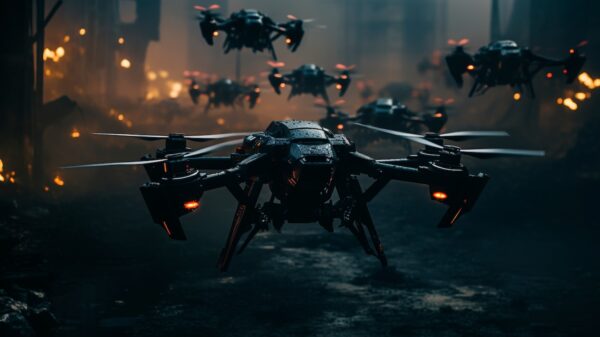
Computers controlling American military drones have been infected with a keylogger that tracks pilots’ keystrokes as they remotely fly the unmanned machines around the world, according to a report.
On Aug. 9, Microsoft accidentally released information on the five security updates it is planning to release tomorrow as part of this month’s Patch Tuesday.
A senior cyber-security official in China said recently that the country wants to work with other nations to improve cyber security. Yet along with this pledge came another example of the back and forth between nation-states that has become a common feature of many public discussions about security. This time however, it was China pointing fingers at the United States.
New details have emerged about Operation Shady RAT, a stealthy attack campaign that security pros say struck more than 70 organizations around the world.
Operation Shady RAT: The discoveries of an incredibly interesting investigation of targeted intrusions into 70+ global companies, governments and non-profit organizations that took place over the last 5 years.

FEATURES, INSIGHTS // Cyberwarfare

Oliver Rochford's picture
We have an entire commercial class of security professional, but very few hackers. Where are our cyberwarriors? Where will they be when we really need them? With us, or against us?
Alan Wlasuk's picture
The world’s expectations of breach-proof SSL certification agencies have been shattered. As expected all of the ruling bodies that control the Internet have rallied to identify the root causes of these breaches and are working on future preventable mechanisms.
Idan Aharoni's picture
The worlds of counter terrorism and fraud prevention should increase their ties. Systems that are already implemented in one world may be applied to the other. Solution providers and policy makers from both worlds need to meet up and share ideas, thoughts and experience for the benefit of both.
Robert Vamosi's picture
Protecting Internet connected devices from the start and protecting them at the chip level needs to be a priority. But do we really need a full-scale cyber attack to make that so?
Alan Wlasuk's picture
Cyber Will be part of any future conflict, whether it's a nation state or terrorism, according to a long time CIA veteran. We are looking towards a time when nations will launch online attacks and extremist groups will add cyber attacks to their tactics.
Ram Mohan's picture
Soldiers more comfortable studying code on a laptop screen than staring down the sights of a rifle will play a key role in future battles. The weapons stockpiles of the future will include stashes of zero-day vulnerabilities, botnets, control codes and sophisticated malware.
Mike Lennon's picture
Many experts believe the incident was a state-sponsored attack connected to foreign governments, and though the IMF has been quiet on the issue, if this is the case, it’s likely that the attacker is an IMF member.
Irida Xheneti's picture
The risks are real, and growing more complex by the month. That doesn't mean you're powerless to keep your infrastructure and data secure.
Noa Bar-Yosef's picture
Governments around the globe are adopting very different approaches to how citizens can engage online. Sometimes it has proven to be a double-edged sword.
Terry Cutler's picture
It appears that Canada’s Finance, Defense Research and Development departments, as well as the Treasury Board, were hacked back in February. Although confirmation is pending, the attack seems to be the work of patriot hackers, using computer servers based in China.

Delivered Twice Each Week, the SecurityWeek Briefing Won't Flood Your InBox, But Will Keep you Well Informed on What's Happening in the Industry, Along with Insightful Columns from Industry Experts.

Privacy: We never sell or share your personal information or email address with any other company and you can unsubscribe instantly at any time.