Texas-based smart home product provider Nexx appears to have ignored repeated attempts to report serious vulnerabilities that can be exploited by hackers to remotely open garage doors, and take control of alarms and smart plugs.
Nexx offers smart alarms, garage door controllers, and smart plugs, all of which can be controlled remotely from a dedicated mobile application.
Researcher Sam Sabetan discovered that these products are affected by serious vulnerabilities in late 2022 and disclosed their details on Tuesday.
The US Cybersecurity and Infrastructure Security Agency (CISA) has also released an advisory to warn individuals and organizations using Nexx products about the flaws identified by the researcher. The agency said the impacted products are used by commercial facilities worldwide.
Sabetan and CISA said their attempts to report the vulnerabilities to Nexx were ignored. SecurityWeek has also reached out to Nexx for comment.
The researcher has discovered five types of vulnerabilities, most of which have been assigned ‘high’ or ‘critical’ severity ratings. The list of issues includes the use of hardcoded credentials, authorization bypass flaws that can be leveraged to execute unauthorized actions, information disclosure issues, and improper authentication.
In a real world attack scenario, an attacker can exploit these vulnerabilities to open or close garage doors remotely over the internet, hijack any alarm system, and turn on/off smart plugs connected to household appliances.
In order to conduct an attack, the hacker only needs the targeted user’s device ID, email address, name, or MAC address, depending on the type of device they are targeting.
A video demo made by the researcher shows how a hacker can obtain the information of hundreds of users.
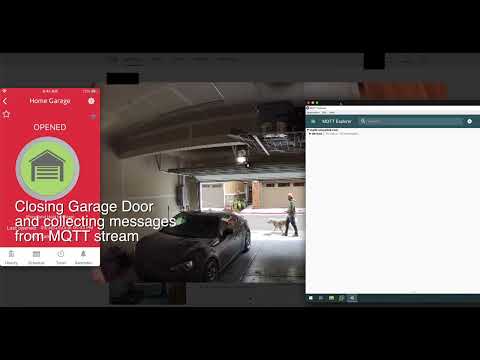
“It is estimated that over 40,000 devices, located in both residential and commercial properties, are impacted. Furthermore, I determined that more than 20,000 individuals have active Nexx accounts,” Sabetan explained.
Related: Aiphone Intercom System Vulnerability Allows Hackers to Open Doors
Related: Vulnerabilities in HID Mercury Access Controllers Allow Hackers to Unlock Doors
Related: Nuki Smart Lock Vulnerabilities Allow Hackers to Open Doors
Related: Vulnerability in IDEMIA Biometric Readers Allows Hackers to Unlock Doors