
Cybercrime
European discount retailer Pepco has lost €15.5 million as a result of what it described as a phishing attack.
Hi, what are you looking for?



Verizon’s 2024 DBIR shows that vulnerability exploitation increased three times and confirmed data breaches doubled compared to the previous year.
A new phishing campaign abuses compromised email accounts and targets corporate users with PDF files hosted on Autodesk Drive.

KnowBe4 boasts that the merger will create “the largest, advanced AI-driven cybersecurity platform for managing human risk.”
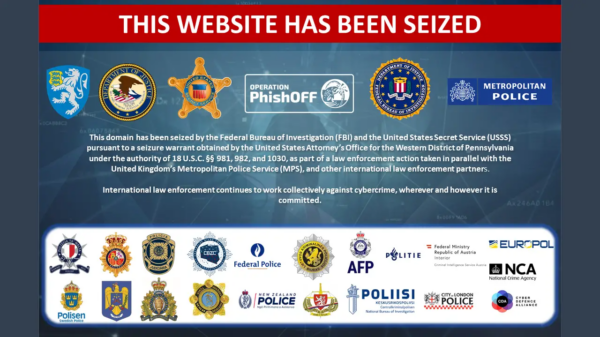
LabHost, a major phishing-as-a-service platform, has been shut down as part of a major law enforcement operation.
Chrome’s standard Safe Browsing protections now provide real-time malicious site detection and Password Checkup on iOS now flags weak passwords.

Advanced phishing kit employs novel tactics in attack targeting cryptocurrency platforms and FCC employees.
European discount retailer Pepco has lost €15.5 million as a result of what it described as a phishing attack.

Microsoft warns of critical spoofing and remote code execution bugs in the Windows MSHTML Platform and Microsoft Power Platform Connector.

Okta expands scope of October breach, saying hackers stole names and email addresses of all its customer support system users.

The Rise of AI in Phishing: Will future phishing attacks that leverage artificial intelligence be more dangerous?
CISA, NSA, FBI, and MS-ISAC have released guidance and prevention recommendations on common phishing techniques.

A recently observed phishing campaign targeting Microsoft accounts is using LinkedIn smart links to bypass defenses.
Slack reveals it has been training AI/ML models on customer data, including messages, files and usage information. It's opt-in by default.



Jan Leike, who ran OpenAI’s “Super Alignment” team, believes there should be more focus on preparing for the next generation of AI models, including...